

DHS and DOL announce availability of H-2B visas
DHS and DOL announced the availability of an additional
35,000 H-2B temporary nonfarm worker visas during the second half of fiscal year (FY) 2022. This are for U.S. employers seeking to employ additional workers from April 1, 2022 through September 30, 2022. This distribution
consists of 23,500 available to returning workers who received an H-2B temporary nonfarm worker visas or were granted H-2B visas for second half of fiscal year. The other 11,500 are for nationals of El Salvador, Guatemala, Haiti, and Honduras. The additional H-2B will help fill regular work positions which will help with the current labor shortage in the United States. H-2B permit employers to briefly hire non national to perform nonfarm labor or services within the country.
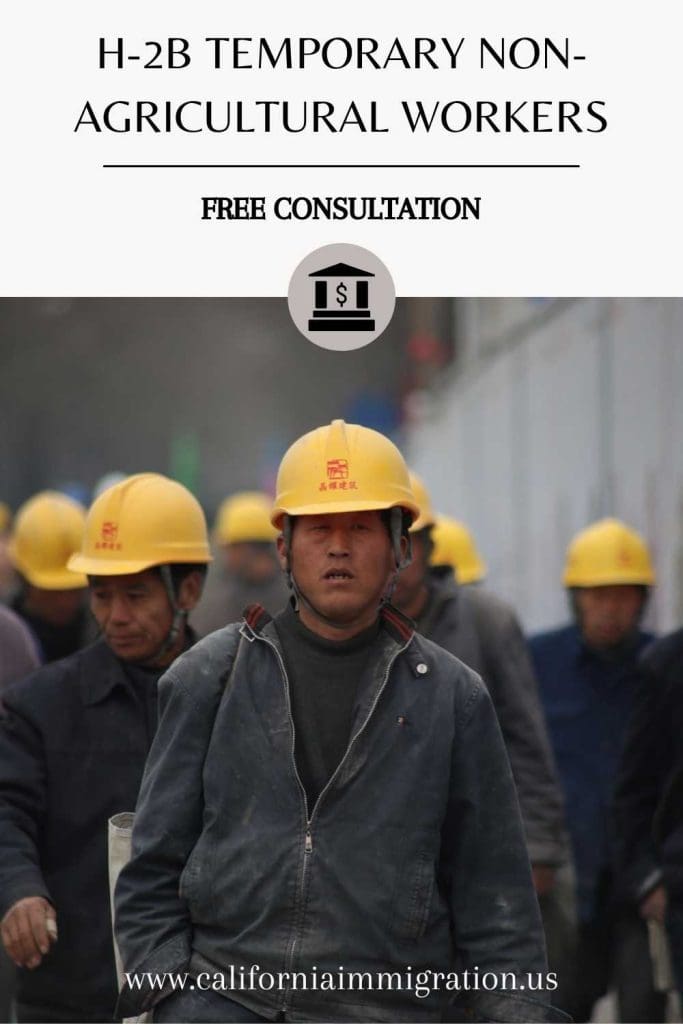
— Availability, employer steps, and alternatives
The H-2B visa program allows U.S. employers to hire non-immigrant workers for temporary non-agricultural jobs when there are not enough U.S. workers. The H-2B cap is split across the fiscal year (first half / second half), and many employers plan filings around the second-half allocation to meet seasonal, peak-load, or one-time temporary needs. Therefore, employers should start preparing now: audit workforce needs, complete required recruitment, and assemble documentation so petitions are ready when the cap opens.
Who this helps
- Seasonal employers (landscaping, holiday hospitality, resorts) with temporary peaks.
- Businesses with one-time or intermittent staffing needs that cannot be met locally.
- Employers seeking returning-worker exemptions or cap-exempt classifications.
Core steps for employers (high level)
- Determine temporary need: document the type of temporary need and set clear start/end dates.
- Conduct required recruitment: follow DOL recruitment rules and retain proof of efforts to hire U.S. workers.
- File temporary labor certification / job order: obtain the DOL determination or follow the ETA process.
- File Form I-129 with USCIS: submit the H-2B petition with supporting documentation after DOL approval.
- Plan for arrival & compliance: housing, payroll, I-9s, and recordkeeping.
Important practical points
- Cap management: timing is critical—prepare early for the second-half allocation and evaluate returning-worker options.
- Wage obligations: meet required wage levels and maintain payroll documentation.
- Housing & transportation: ensure employer-provided services meet applicable standards.
- Recordkeeping & compliance: maintain recruitment logs, job orders, and payroll records for inspections.
Alternatives & contingency planning
- Evaluate returning-worker exemptions for cap relief.
- Consider other visa categories (H-1B, O-1, immigrant routes) where appropriate.
- Run robust local recruitment and partner with temp agencies to reduce cap exposure.
Quick employer checklist
- Confirm temporary need and dates.
- Post recruitment ads and preserve proof.
- Assemble DOL filing documents and recruitment summaries.
- Prepare I-129 supporting evidence (contracts, job descriptions, payroll).
- Budget for housing, travel, wages, and compliance.
- Plan onboarding, I-9 completion, and worker orientation.
How we help
We audit H-2B workforce plans, prepare recruitment and DOL filings, file I-129 petitions, manage cap strategy (including returning-worker analysis), and advise on compliance.